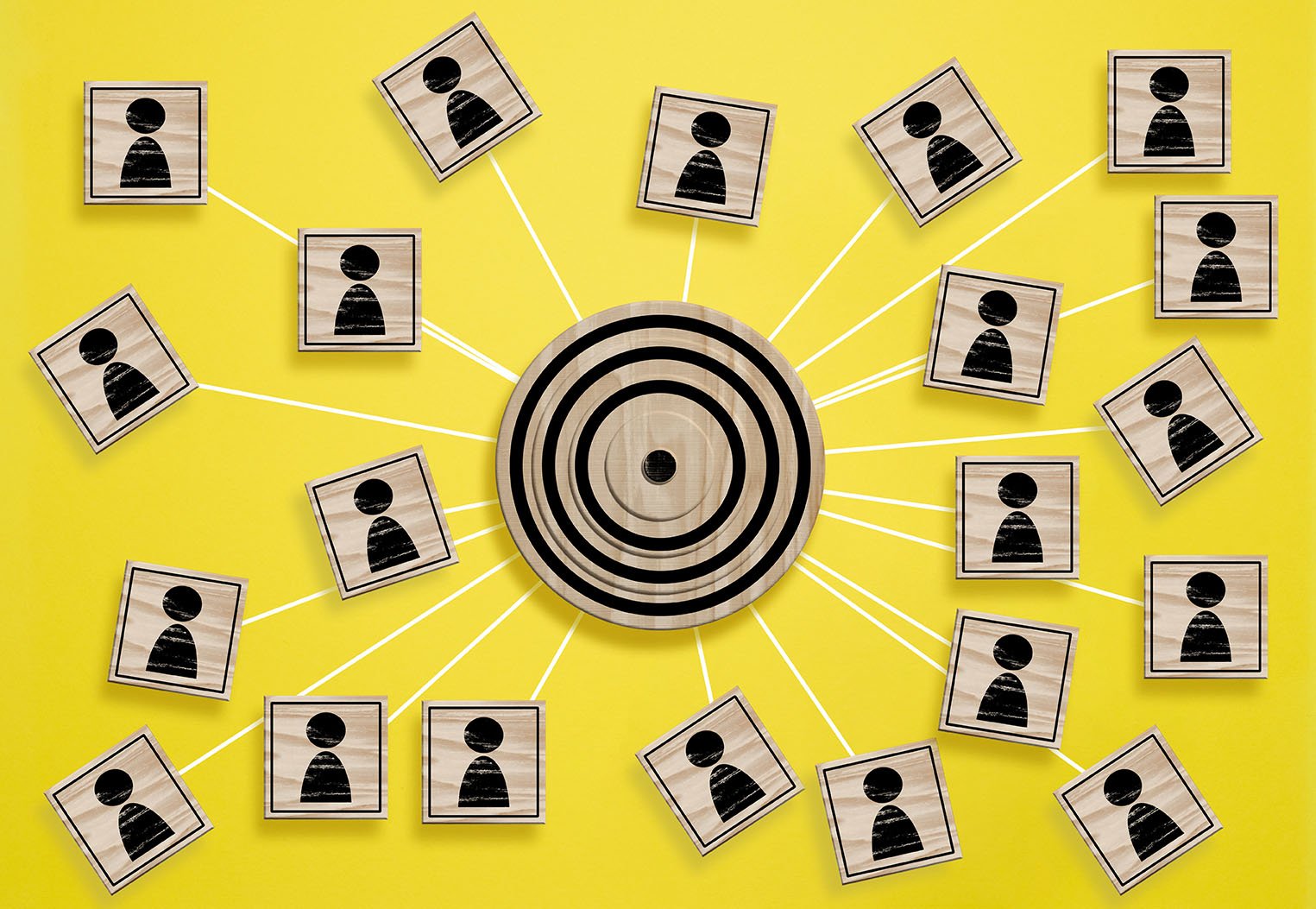
To build a brand that lasts, you have to start with a purpose, not a mission statement bolted on after the logo, but an actual reason for existing that someone outside your company could explain in one sentence. This isn’t just a branding principle. It’s closer to a law of how people move through the world. Purpose is what turns a pile of tasks into a life that makes sense. It tells you what to do, when to do it, and why any of it matters.
But here’s the part most brand strategy conversations skip: purpose only works if you give it away.
You can articulate the sharpest, truest purpose in the world, and it will still fail if the people you’re building it for don’t pick it up and carry it as their own. A brand isn’t something you hand to an audience. It’s something you hand over. And the moment you try to keep tight control of every detail of how people understand it, you’ve already started losing it.
The Idea Has to Become Theirs
I’m Ghanaian, so let me use a Ghanaian example most branding writing never touches.
Kwame Nkrumah led Ghana to independence in 1957 — the first sub-Saharan African nation to break from colonial rule — and is widely regarded as one of the most consequential leaders the continent has produced. He was overthrown in a coup less than a decade later, in 1966. The real history is more tangled than any single explanation: a debt-heavy industrialisation push, a genuine economic crisis, an authoritarian turn that included detaining political opponents without trial. Historians still argue about the extent of external interference.
But one thread running through it is this: Nkrumah’s vision for Ghana was extraordinary, and a lot of it was right — the Akosombo Dam he championed still powers the country today, more than fifty years later. What didn’t survive was the political project built around that vision, in part because too much of it was delivered from the top down rather than built with the people it was meant to serve. The infrastructure outlived him. The shared ownership didn’t.
This pattern still shows up constantly. In politics, in NGOs and development work across Africa, and in ordinary brands. You can be right about what you’re offering and still fail if the people receiving it never get to feel like it’s theirs.
Why We Still Buy the Coke
Here’s a smaller, less politically loaded version of the same idea.
We’ve all seen the health warnings about sugary soda. Most of us have read the same headlines about Coca-Cola. And most of us continue to buy it anyway — including myself. That’s not really about the drink. Coca-Cola sells a feeling, not a formula, and has for decades: today the company calls it “Real Magic,” and even its most recent global identity refresh in 2026 wasn’t built around a new slogan at all — it doubled down on the red, the script, the ribbon: the equity people already carry around in their heads. The company understands that the idea of Coca-Cola is bigger than what’s in the can, and that idea belongs to us now, not to them. We’re not choosing an ingredient list. We’re choosing a feeling we’ve already decided is ours to share.
That’s the whole mechanism. People don’t fall in love with your product. They fall in love with what your product lets them believe about themselves — and then they carry that belief forward and hand it to someone else, which is the only kind of marketing that was ever actually free.
Hold Tight, and It Breaks
If you try to control every detail of how your brand is perceived, every interpretation, every piece of language, every use. You will eventually break the thing you’re trying to protect. Brands aren’t owned. They’re lent to everyone who chooses to carry them.
The job isn’t to build something people admire from a distance. It’s to build something specific and true enough that people want to pick it up, make it theirs, and pass it on. That’s true of a soda brand, a newly independent nation, and I’d argue every campaign I’ve worked on since. It’s the same question I still ask of any story I’m asked to tell: does this belong to the audience yet, or does it only belong to us?
This piece started life as coursework for FutureLearn's "Secret Power of Brands" course in 2015. Ten years and a decade of campaign work later, the core idea held up better than I expected — it just needed sharper examples.
Bainson bainn